What exactly is koji
 Matthew Shields
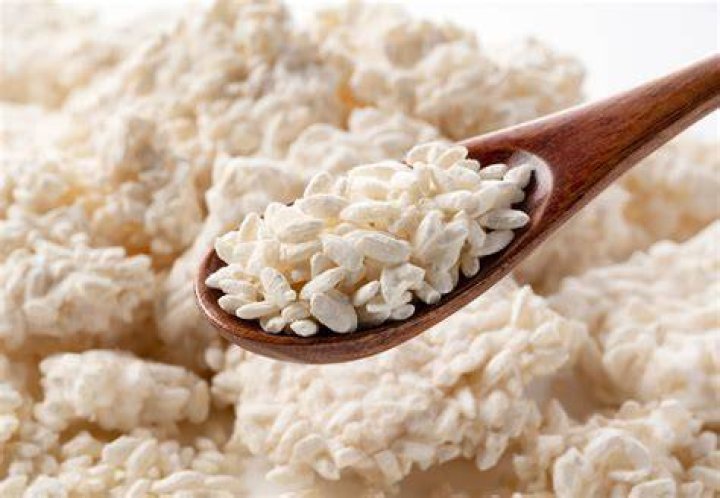
 Koji is a source of fungal enzymes, which digest proteins, carbohydrates, and lipids into nutrients that are used by other microorganisms in subsequent fermentations. Koji is available in many varieties, which differ in terms of the mold, the substrate, the method of preparation, and the stage of harvest.
What does koji sauce taste like?
What does shio koji it taste like? Now all of you must be wondering what it tastes like on its own. It taste like a salt paste that resembles dashi and mirin. If koji is fermented on rice then it is called ‘Kome-koji’ (rice koji), if it is fermented on barley, then it is called ‘mugi-koji’.
What is a substitute for koji?
Miso Paste Just like salted rice malt, miso paste, the popular fermented food in Japan is also containing koji. Therefore, it can be used as a substitute without any problem. The great part about miso paste is it has already saltiness, richness, and umami taste. So, it can upgrade the taste of the dish very well.
Is soy sauce made with koji?
Shoyu (Soy sauce)is made from “soybeans”, “wheat”, “koji bacteria” and salted water. Both steamed/cooked soybeans and roasted wheat are mixed with Koji bacteria in the special Koji room called Koji muro (麹室). … With this prepared Koji + Salt + Water + fermentation period = Your Soy sauce!!
How do you use koji in cooking?
The most common use for shio koji is as a marinade or cure for poultry, meat, seafood, and even vegetables. For proteins, slather them up with shio koji and let them hang out for as little as 30 minutes and up to 24 hours, depending on the size and type of ingredient you are working with.
What do you use koji for?
Depending on how it’s harnessed, koji can bring out the sugars in rice to be fermented into amazake (sweet rice porridge), mirin, and sake. Or it can denature the proteins in beans and grains to produce crazily savory miso pastes and soy sauces. Meet your flavor booster.
What does koji do to meat?
But when applied to steak, koji does something amazing. Its powerful enzymes slowly tenderize the meat. Innovative chefs have found that in just 48 hours, koji can turn a fresh-cut piece of beef into something that resembles, in texture and taste, a 45-day-aged steak.
Is koji sweet?
The beautiful thing about long-grain rice koji grown with a sugar focused Aspergillus oryzae is that it gets quite sweet at the forty-eight-hour mark. It’s especially sweet if you run your incubator slightly hotter at 95°F (35°C) to encourage the generation of amylase enzymes.
What should koji smell like?
If you’re making koji and it’s good, it’s very sweet-smelling and aromatic. Some people describe it as having a slight grapefruit smell. I think David Chang at some point said it smelled like Fruity Pebbles. If it goes bad, it smells like green bananas, and that’s more from bacterial spoilage than from another mold.
Is Kikkoman soy sauce?
Kikkoman is the most popular brand of soy sauce in Japan and the United States. The village of Sappemeer in Groningen, the Netherlands, is the European headquarters of the company.
Article first time published on
Can you buy koji?
Although you can buy shio koji, making it yourself just may be the ultimate way to take DIY fermenting to the next level. Buy a bag of koji rice at an Asian grocery store or online and give it a try.
What do you use tamari for?
Tamari is commonly added to stir-fries, soups, sauces, or marinades. It can also be used as a flavor enhancer for tofu, sushi, dumplings, noodles, and rice. Its mild and less salty taste makes it a good dip.
Can you make miso without koji?
You can’t make miso without koji. Miso isn’t actually a fermentation, it’s the enzymes created by the mold Aspergillus oryzae, which is grown on rice to create koji. Those enzymes are used to break down the proteins and starches in the soybeans to create miso.
How do you make koji kin at home?
- Rinse the rice until the water runs clear (to remove all the starch).
- Soak the rice in water for 8-12 hours.
- Steam (not boil) the rice until it’s softened, but still sticky (see notes for advice).
- Cool the rice to room temperature.
- Thoroughly mix the koji-kin culture into the rice.
How do you make koji culture?
To make koji, partially steamed rice is inoculated with koji grains or spores and left to ferment in a warm, humid atmosphere for 5–7 days, where the mould feeds on the rice and breaks it down until the carbohydrates transform into sugars and produce glutamate (also known as that magical ‘fifth flavour’, umami).
What does sake lees taste like?
Sake kasu (酒粕) or sake lee is a cooking ingredient that is white in color with a paste-like texture. The taste of sake kasu is fruity and has a similar taste to Japanese sake.
Can you cook koji?
After a few days, the mixture becomes an enzyme packed marinade that creates amino acids with the food itself, creating an umami flavor profile that exactly matches the item at hand. JU: It doesn’t stop at protein though. The broken-down koji starches caramelize incredibly well when cooked.
Can koji be eaten raw?
Koji can be eaten raw, but is at it’s best when added to other ingredients to create an umami flavour in the food.
Can you dry age a single steak?
You cannot dry-age single steaks for any significant period of time because desiccation (aka moisture loss) will turn your steak into a tough black strip of dry flesh. Technically, you might be able to cut all that off and recover a sliver of good meat from the center, but that would hardly be worth the effort.
Is koji a yeast?
Koji is not actually a yeast, as many people mistakenly believe. Koji is cooked rice and/or soya beans that have been inoculated with a fermentation culture, Aspergillus oryzae. … It is used to make popular foods like soya sauce, miso, mirin and sake. The first step in making these products is creating the koji.
Is koji a mushroom?
Much like mushrooms and huitlacoche, koji thrives off specific environments, specifically a pile of steaming cooked rice. … The Japanese are so obsessed with this mold that koji is the country’s national fungi and is celebrated annually on National Fungus Day, October 12. It’s also the subject of a popular manga series.
Is sake a mirin?
Although both sake and mirin are alcoholic products, mirin is only used mainly for cooking whereas sake can be used for both drinking and cooking. … One of the main differences is sake contains higher alcohol and lower sugar contents, while mirin has a higher sugar content and lower alcohol content.
How do you preserve koji?
Use rice koji immediately, refrigerate or freeze in a sealed container, or slowly dry for 1-2 days for longer-term storage. Refrigerated koji will keep for 2-4 weeks, dry koji for 3-6 months, and frozen koji for up to 1 year.
What is koji mold?
Koji-kin is a mold that’s commonly used in Chinese, Korean, and Japanese culture to ferment soybeans as well as to make alcohol. Its scientific name is Aspergillus oryzae. … Over a period of 48 to 72 hours, the mold is carefully cultivated to grow evenly onto the sake rice.
How do you make Saki?
- Wash and coarsely crush rice.
- Place rice and chopped raisins in nylon straining bag, tie top, and place in sanitized primary fermentation container.
- Pour hot water over rice and stir in all ingredients except yeast and nutrient. …
- Wait 48 hours.
Why is Kikkoman so popular?
Tojo says he uses Kikkoman in many ways because it is “a versatile, high-quality soy sauce”. “Kikkoman has always been a favourite of ours for its versatility and, with our clients, for its flavour,” he says.
Why is Kikkoman so good?
Kikkoman is one such Japanese soy sauce. … Thanks to the slow fermentation process used to produce Kikkoman soy sauce, it contains high levels of naturally occurring umami: the so-called fifth taste sensation, which detects savouriness. Umami also helps heighten the flavour of other ingredients.
Is Kikkoman Chinese or Japanese?
Kikkoman, a Japanese food manufacturer well known for its soy sauces, is probably the most recognizable and easy-to-find brand of soy sauce in the United States.
How do you collect koji spores?
If you want to harvest spores, start of by taking 48 hour old koji rice and separating them into individual grains on a tray as best as you can. This maximises the surface area of grow of the koji which in turn maximises the amount of spores that you can harvest.
Is koji rice safe?
When you hear “mold”, you might be worried about if it’s safe to eat koji. The answer is this: It’s totally safe to eat! Blue and black molds may grow on food such as bread, and that are poisonous molds. But koji mold is completely different from those.
Does tamari taste like soy sauce?
What does tamari taste like? There’s no denying the magical taste of tamari sauce: It’s packed with rich umami flavor. Compared to soy sauce, tamari is more mellow, less salty and slightly thicker in texture. It’s perfect for a dipping sauce or marinade.