Should I varnish wood
 Sarah Marsh
 Varnish can prevent scratches and abrasions on table tops. As well as waterproofing the wood, varnish can also prevent wooden surfaces from getting scratched. Finishing wood with a product such as varnish, serves to protect wood from the little knocks and spills that are inevitable in a busy family home.
What are the disadvantages of varnish on wood?
The disadvantages of wood varnish include drying too slowly, being difficult to clean up, susceptibility to dust buildup, discoloration over time, incompatibility with water-based products or lacquer, and issues repairing or stripping it, according to Lee’s Wood Projects.
Does varnish make wood last longer?
Varnishes provide wood with additional durability, so they are often used on areas that get plenty of wear and tear.
Is varnish necessary for furniture?
If you want to keep the facade clapboard or furniture in good condition for many years, you need to take care of them accordingly. One way is to varnish them. Varnish can be used to coat wooden surfaces both as a finish and to fix another finish. … However, for the long life of the wood, special protection is required.
Does varnish stop wood from rotting?
How it works: That being said, varnish (or other finish coat) protects the wood by forming a waterproof (or nearly so) layer on all of the outer parts of the wood. This ‘sheet’ of varnish won’t let water get in, so the wood can’t rot.
What is the purpose of applying varnish?
Varnishes provide protective coatings for wooden surfaces, paintings, and various decorative objects. Varnish protects and enhances the appearance of wooden floors, interior wood paneling and trim, and furniture.
What are the pros and cons of varnish?
AdvantagesDisadvantagesGreater molecular flexibilityLess resistant than urethane varnishesHigher resin concentrationStrong and unpleasant odourThicker finishTurns yellow over timeEasy applicationDries slowly
Which is better varnish or polyurethane?
While polyurethane is water- or oil-based plastic resin, varnish is older and made from resins, oils, and solvents. Because of the higher ratio of solids, varnish is less susceptible to ultraviolet light damage. This protection makes varnish an excellent choice for projects such as outside decks and exterior furniture.
Why is varnish a good finish?
Varnish protects wood, providing a durable surface that helps to prevent damage and keeps it in good condition. … But there’s a bewildering array of wood floor varnish and other products on the market. Here’s our guide to varnishing wood and wood varnishing finishes, with a few handy product recommendations thrown in.
Can you stain over varnish?
Yes, you can stain over varnish without any issue. But staining varnished wood is different than staining untreated wood. Clean and sand the wood using fine-grit sandpaper before applying stain over varnish to remove dust, debris and to emphasize wood grain which helps to take the stain better.
Article first time published on
Is wood stain better than varnish?
Woodstains are formulated for weather-resistance and flexibility, so perform far better externally than varnishes. Woodstains are more suited to exterior surfaces, where their flexibility and weather-resistance protect the wood while not obscuring its natural appearance.
How many layers of varnish should I do?
- For a very durable finish and one that needs to be very tough, say on a kitchen table, coffee table or end table etc, 2 to 3 coats of varnish should be enough on the top, with 1 to 2 coats on the legs/base.
- For chairs, benches, chests and other such pieces, 1 to 2 coats should do the trick.
Is it better to varnish or paint wood?
For outdoor applications, paint is more protective and longer lasting than varnish. The pigments in paint provide superior UV resistance compared to varnish and other clear finishes. Varnish will last only 1 to 2 years on wood exposed to full sun compared to 7 to 10 years for paint.
How do you keep wood untreated?
The only way to properly use untreated wood of any type outside is with the addition of water-repellent preservatives, sealer or paint that contain UV protection. Over-the-counter wood preservatives are available in clear versions, or with stain containing pigment or dye to color the wood.
How do you prepare wood for varnish?
Remove all dirt, oils, grease and wax with paint thinner or other appropriate cleaners/dewaxers. Fill openings and nail holes with filler. Sand along grain of the wood, with sandpaper grit and tools appropriate to the particular project. Vacuum clean and/or wipe surfaces with a tack rag.
How do you apply varnish without brush marks?
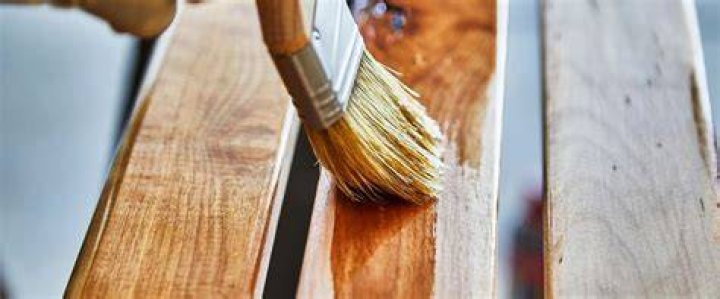
Brush on a coat of varnish; hold the brush at a right angle 10° to the surface; and, working in the direction of the grain, lightly skim the varnish with the bristle tips to help level it.
Is varnish better than lacquer?
As already mentioned, lacquer is the toughest of the two, though both leave hard, durable surfaces. Generally, the most common reason for favouring lacquer is simply that it wears better. Varnish can look very beautiful when applied correctly, but it doesn’t have the same longevity.
How do you remove varnish from wood?
All you need to do is start with 150-grit sandpaper and sand the entire surface. Once you’ve done that, move onto 220-grit sandpaper and repeat. This should remove the varnish. An orbital sander will make this job much easier and quicker if you’re removing varnish from a flat surface.
Is varnish waterproof?
Polyurethane, varnish, and lacquer are tried-and-true sealants with excellent waterproofing properties. … Though relatively quick drying (some in as little as 15 minutes), these sealants often contain chemical solvents, so ventilation is necessary during application.
Do you need to sand wood before varnishing?
Old varnish in a poor condition If the varnish is cracked or flaking, you must make the wood bare by sanding or stripping the entire surface. … Although sanding can be effective, it can also be extremely hard work and very dusty.
Do you need to thin varnish?
First, there’s no need to thin the first coat of either oil or varnish to get a better bond to the wood. Oil and varnish dry very slowly and have plenty of time to penetrate well into the wood. … Adding about 10 percent thinner to varnish is usually enough to get varnish to level out. It doesn’t take much.
Can you varnish without staining?
You will always apply the stain before applying the varnish, unless the varnish already has the stain mixed into it. Allow sufficient time for the solvent to fully evaporate before applying the finishing coat of say, varnish.
What is harder polyurethane or varnish?
While it is similar to varnish in terms of application and appearance, polyurethane is generally harder and more abuse resistant, which means it is commonly used for sealing wood floors. Unfortunately, polyurethane is less flexible than varnish, so it may not be the best choice to use on wood pieces that move or flex.
Is varnish thicker than polyurethane?
Varnish is thinner than polyurethane, and requires the the application of more layers, and these layers take a long time to dry, leaving the project vulnerable to the elements.
What is the most durable wood finish?
Oil-based polyurethane is the most durable finish you can apply by hand, and catalyzed lacquer and varnish are the most durable sprayed finishes.
What's the difference between wood finish and stain?
The difference between stain and finish is actually quite simple. Wood stains add color to natural wood, while finishes seal the wood and protect it from moisture. … That wood has been stained a particular color and then coated with some sort of polyurethane or lacquer to create that still-wet look.
What stain can penetrate an old varnish finish?
Boiled linseed oil and tung oil are common penetrating-oil finishes. Penetrating oils can be applied with a cloth or brush. Coat the surface thoroughly, after about fifteen minutes (less if the surface is plywood), wipe off the excess.
How long after staining Can I varnish?
In general, you should wait between 24-48 hours for the stain to dry before polyurethane. If you don’t want to take any chances or think the stain might not be dry enough, wait an extra day before applying poly.
Do I need stain or varnish?
Knowing how to compare varnish vs stain can help determine what is best for your home or woodworking project. In any case, varnishing may be better since it creates a protective barrier on the wood surface. Staining only enhances the color without offering protection against wear and tear or weather elements.
Does clear stain darken wood?
However, there is no denying that even this clear finish really changes the look of the raw wood (makes it darker like when you wet the wood). … This means that when it dries on the surface of the wood, it won’t bring any color to the party.
Does varnish need to be sanded between coats?
Sanding between coats of varnish is important because it achieves two things: First, it knocks down the “high spots” and second, but more importantly, it provides a tooth for the next coat to adhere to. Otherwise, the subsequent coats can delaminate and lift off in large sheets.