Is wood lacquer toxic
 Daniel Davis
 Most health hazards stemming from VOCs are the result of inhaling the lacquer fumes. These fumes can cause difficulty breathing, kidney failure, nervous system damage and loss of vision. These lacquers generally remain toxic for up to a month after drying.
Is wood lacquer safe?
Since lacquer does not form as hard a coating as most types of varnish or water-based sealers, the wood is more susceptible to water and physical damage. Catalyzed lacquers, however, are very durable.
How long does it take for lacquer fumes to go away?
After that the major factor is drying, which is down to air flow* and temperature. In a room in a typical modern interior (often made specifically not to be draughty) the smell can be expected to hang around for at least a couple of weeks if you’ve used quite a lot.
Is wood varnish toxic after drying?
The good news is, though, that once the wood stain is fully dry, it’s no longer toxic! That means if your primary concern is about wood stain toxicity after the stain has dried, you have nothing to worry about!
Is dried lacquer safe?
Paints, lacquers and other synthetic coatings are ubiquitous in our lives, covering most ceilings, walls and floors. After being applied to a surface and left to dry, these substances are typically safe. … Chemical compounds in lacquer and paint potentially cause health problems that range from mild to extremely serious.
Is varnish lacquer toxic?
The resins and solvents used in varnish are toxic if ingested. Many varnish products contain benzene, which is a known carcinogen that is highly flammable. The solvents in varnish are extremely pungent, and the fumes can cause drowsiness, headaches, skin irritation and dizziness.
Is lacquer smell toxic?
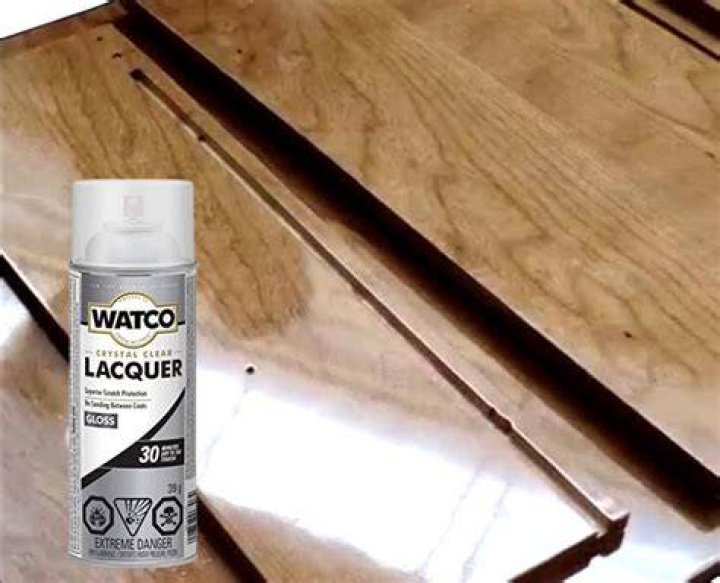
Lacquer is a clear or colored coating (called a varnish) that is often used to give wooden surfaces a glossy look. Lacquer is dangerous to swallow. Breathing in the fumes for a long period is also harmful.
Is oil based lacquer toxic?
With oil-based lacquer all basic ingredients are harmful. … Oil based lacquer, also known as transparent alkyd paint, most of the time uses alkyd as a binder and white spirit as solvent. Oil paints and lacquer contain VOC’s which can be harmful for human health.
Is lacquer non toxic when dry?
Most health hazards stemming from VOCs are the result of inhaling the lacquer fumes. These fumes can cause difficulty breathing, kidney failure, nervous system damage and loss of vision. These lacquers generally remain toxic for up to a month after drying.
Can wood stain make you sick?
But this isn’t the only way wood stain fumes impact our health. Along with degrading indoor air quality, they can potentially cause: Breathing issues. Nausea.
Article first time published on
How do you get lacquer smell out of your house?
Fill a bowl with activated charcoal, and place it in the center of the room that smells the most. The activated charcoal will absorb the smell and supplement the white vinegar treatment.
How do you neutralize the smell of lacquer?
Place baking soda in a bowl and set the bowl in the drawers or on top of the furniture to absorb and neutralize the odors. Replace the baking soda every few days.
How long does spray lacquer off gas?
Most coatings get their final cure after 30-40 days, but in enclosed areas (like inside the boxes) what is off-gassing could certainly hang around for a while longer. They should wait the 30 days and use Simple Green to clean the boxes.
Is lacquer carcinogenic?
Our findings and a critical analysis of the literature provide evidence that chronic exposure to paint, varnish and lacquer is a definite risk factor for cancer of the upper aerodigestive tract.
What chemicals are in lacquer?
The specific composition of lacquer thinners vary by brand. However, the three primary ingredients are acetone, toulene and methanol. These are the ingredients that dissolve the lacquer.
Why is lacquer paint illegal in California?
Lacquer paint is illegal in California because it can damage the air quality. This is because lacquer paint contains a lot of volatile compounds and these compounds have the ability to settle in valleys and cause breathing problems in people who are susceptible.
Is lacquer thinner bad to breathe?
Harmful if inhaled. May cause respiratory tract irritation, central nervous system depression, drowsiness, headache and narcosis.
What happens if you breathe in clear coat?
Whether your exposure to VOC fumes is minimal or extended, there are definite risks and side effects once the fumes are inhaled. Short-term side effects may include eye, nose and throat irritation; headaches, loss of coordination, and nausea.
Can you get sick from varnish fumes?
These include vomiting, convulsions, or a decreased level of alertness. If the person breathed in varnish fumes, move them to fresh air right away.
Is it safe to lacquer finish food?
If you don’t eat or drink the finish, it’s food safe! … For those pieces that will not be subject to damage from food handling utensils, film finishes, such as polyurethane, lacquer, “varnish,” or even shellac would be acceptable to use, for example, on serving platters.
Is polyurethane toxic to humans?
What effects does polyurethane have on the health of users? Polyurethane is the result of the chemical reaction between a polyol and a diisocyanate. Once the chemical reaction of its components has taken place, the result is a polyurethane foam that is completely inert and harmless to humans.
Is acrylic lacquer toxic?
Oil or synthetic-based stains with acrylic or urethane binders can contain harmful chemicals and release high levels of VOCs. These stains are more water-resistant than water-based stains and are most often used outdoors.
Is NC lacquer toxic?
Nitrocellulose lacquer becomes relatively non-toxic after approximately a month since at this point, the lacquer has evaporated most of the solvents used in its production.
What is the least toxic wood finish?
Water-based polyurethane is the best non-toxic wood finish. It’s affordable, easily accessible at your local home improvement store, dries quickly, and and unlike wax and oil options, provides a durable finish for your wood.
Is shellac wood finish toxic?
There are many excellent non-toxic wood finishes. My go-to finishes are Tung Oil and Shellac. Both are inexpensive, easy to find, and easy to apply. Better yet, both are completely food safe.
Is lacquer natural?
Lacquer is a natural polymer made from the sap of lacquer trees. … Urushiol is polymerized by laccase at a suitable humidity and temperature, and a lacquer film forms after water evaporation (Kumanotani, 1995).
Is wood stain toxic to breathe?
Wood stain fumes are harmful to human health, but there are things you can do to prevent risking your health and safety. Proper ventilation is very important until the strong smell of wood stains fade. You can use activated charcoal or baking soda to help eliminate odor.
Is it safe to sleep in house after staining floors?
If your hardwood floors have been sanded and finished with Bona Mega Clear HD, it is safe to sleep in the home about 2-3 hours after the project is finished, but again, only if there are other rooms that have not been robbed of their furniture – furniture should stay off floors for at least 24 hours after ANY project …
Is it bad to smell polyurethane?
Among the different chemicals that are commonly used in new wood flooring, polyurethane is one that is both used regularly and can produce an amalgam of toxic compounds into the air that can be extremely toxic when released in fumes into the indoor air.
Why does my house smell like varnish?
Acetone Fumes If you get a nail polish remover-like odor from your HVAC vents, the most likely cause is a refrigerant leak. This is another odd smell that needs prompt professional attention because a leak can end up ruining a costly component like the compressor if enough refrigerant is lost.
Why do my walls smell after painting?
In this instance, the odour is caused by the evaporation of solvents that are mixed in with the paint to thin it. This ‘gassing off’ is referred to as a paint’s VOC level (Volatile Organic Compound), which is relatively high for solvent-based mediums.