Is turpentine an acid
 Andrew Rivera
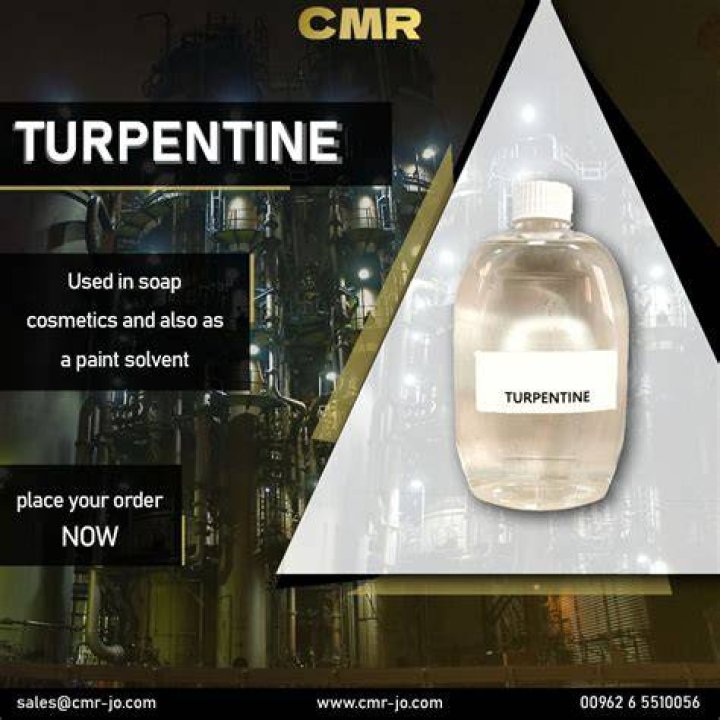
 Chemically, oil of turpentine is a mixture of cyclic monoterpene hydrocarbons, the predominant constituent being pinene. Formerly, the largest use for turpentine oil was as a paint and varnish solvent.
What type of chemical is turpentine?
Chemically, oil of turpentine is a mixture of cyclic monoterpene hydrocarbons, the predominant constituent being pinene. Formerly, the largest use for turpentine oil was as a paint and varnish solvent.
Is turpentine an alcohol?
Turpentine is one of the few solvents not made from petroleum distillates. It is produced by distilling the oleoresins from pine trees. It is also known as spirits of turpentine or simply turps.
What is turpentine made of?
Turpentine oil is made from the resin of certain pine trees. Turpentine oil is included in some chest rubs, such as Vicks VapoRub. When it is included in these products, it is used in very small amounts as a fragrance.
What else is turpentine called?
Turpentine (which is also called gum turpentine, spirit of turpentine, oil of turpentine, wood turpentine, terebenthene, terebinthine and (colloquially) turps) is a fluid obtained by the distillation of resin harvested from living trees, mainly pines.
Can you drink turpentine?
Turpentine is poisonous if swallowed. Children and adults can die from drinking turpentine. Fortunately, turpentine causes taste and odor problems before reaching toxic levels in humans. Turpentine is thought to be only mildly toxic when used according to manufacturers’ recommendations.
Can you drink turpentine and honey?
Taking turpentine oil by mouth can be very dangerous. As little as 15 mL (about 1 tablespoon) can be lethal in children, and taking 120-180 mL (about a half cup) can be lethal in adults. Despite this, some people take turpentine oil mixed with honey or sugar cubes for stomach and intestinal infections.
Is turpentine good for wounds?
Application of turpentine oil over the wound also helps to remove the maggots as it creates an atmosphere deficit in oxygen which forces the maggots to come to the surface, and then they can be mechanically removed [11].
Does turpentine help arthritis?
Turpentine oil is applied to the skin for joint pain, muscle pain, nerve pain, and toothaches. People sometimes breathe in (inhale) the vapors of turpentine oil to reduce the chest congestion that goes along with some lung diseases. In foods and beverages, distilled turpentine oil is used as a flavoring.
What is the difference between kerosene and turpentine?
The key difference between kerosene and turpentine is that kerosene is obtained from crude petroleum, whereas turpentine is obtained from pine resins. Because of this origin, kerosene has a petroleum-like odour while turpentine has a sweet and piney odour.
Article first time published on
Does turpentine thin paint?
To clarify, paint thinner is simply an overall term for any solvent that is used to thin paint or to remove paint from brushes, rollers, and other painting tools. Examples of paint thinners include turpentine, acetone, naphtha, toluene, and, of course, mineral spirits.
Can turpentine make you high?
The fumes of turpentine/thinner aren’t good to inhale. It gives a headache and some people get a kick out of it because it makes them high.
Is turpentine the same as thinners?
The basic difference between a thinner and turpentine is that the thinner is a liquid mostly used for thinning the consistency of another liquid while turpentine is a kind of volatile essential oil (extracted from the pine trees wood by steam distillation) used as a solvent and paint thinner.
How does turpentine oil get rid of maggots?
Maggots usually come out of a deep wound when turpentine oil soaked gauze is placed over it. If they are not controlled, it is likely they will escape onto the bed and floor. The LAD was effectively used in the present case to remove maggots from the wound. The wound was maggot-free within 3 days.
Is pine oil and turpentine the same?
Pine oils, derived by steam distillation of wood from pines, consist of a mixture of terpene alcohols. Pine oil–based compounds may contain small amounts of phenol derivatives. … Turpentine is a hydrocarbon mixture of terpenes derived from pine oil rather than petroleum and is often applied as a paint thinner.
What was turpentine used for in the 1800s?
Although soap manufacturers started using leftover resin from the stills in which turpentine had been extracted, turpentine was used primarily from 1800 to 1860 as an illuminant; the substance when combined with alcohol provided a cheap form of lighting that was used in homes, public buildings, and streets.
Is turpentine a carcinogen?
Carcinogenicity No carcinogenicity studies of turpentine were identified.
Is turpentine still available?
Turpentine production is alive and well in the USA.
Why did they drink turpentine in the lighthouse?
It’s not an official name for anything, but attentive viewers may seem the faded words “turpentine” on the jug sitting beside Thomas and Ephraim. Ephraim proceeds to mix this turpentine with honey, creating an absolutely disgusting concoction that drives the men mad.
What are the dangers of turpentine?
* Turpentine can cause headaches, dizziness, nausea, confusion and rapid pulse. * Breathing Turpentine can irritate the lungs causing coughing and/or shortness of breath. Higher exposures can cause a build-up of fluid in the lungs (pulmonary edema), a medical emergency, with severe shortness of breath.
How much turpentine is toxic?
If ingested, turpentine is highly toxic, with fatal poisonings reported in children who have ingested as little as 15 mL. The average fatal oral dose is 15 to 150 mL.
How do you get turpentine off your skin?
Use cooking oil, like vegetable, olive, or canola, or margarine to get it off. Rub a small bit of oil over your hand, scrubbing lightly over the sappy spots for 30-60seconds. When you’re done, wash your hands with warm water and some dish detergent to get the sap off you hands.
What is turpentine used for cleaning?
Cleaner. Turpentine is used to clean brushes, rollers and spray equipment, oil-based paint, varnish or polyurethane application tools. It can also be used on new wood before finishing.
What was turpentine used for in the 1900s?
Made from pine resin distilled until clear, the oily liquid been used for hundreds of years as a water repellant, paint thinner, solvent, and lamp oil. (It is very flammable.)
What are white spirits?
Overview. White spirit is a flammable, clear, colourless liquid. It is a mixture of chemicals known as petroleum hydrocarbons. Other common names for white spirit are Stoddard solvent, turpentine substitute, mineral spirit and paint thinner.
Can turpentine be used on boils?
Larch turpentine is applied to the skin for treating nerve pain, joint pain, boils, fevers, colds, cough, bronchitis, tendency toward infection, blood pressure problems, and mouth and throat swelling and pain (inflammation).
Can I burn turpentine?
Are The Fumes Flammable? Turpentine fumes are highly flammable. A product is only considered to be flammable if it will ignite in the presence of a spark at or below 199.4 degrees Fahrenheit (93 Celsius) and this is very much true of turpentine.
What burns faster gas or oil?
Both new gas and new oil furnaces have high efficiencies. However, heating oil burns hotter than natural gas. This means it will not only heat the space in half the time but it will burn less fuel while doing so.
Is turpentine more flammable than gas?
Of the three liquids listed, gasoline is the one that will ignite and spread fire the most quickly. By design, gasoline is a very volatile product, and it’s the vapor of hydrocarbons that burn, not the liquid. Turpentine and kerosine are relatively safe to handle at room temperature. Gasoline is not.
Can you mix turpentine with water?
The oil molecules in the paint can only be broken down by solvent chemicals; mixing traditional oils with water does not work because water and oil do not mix. Turpentine or odorless mineral spirits (also called white spirits) are the two solvents typically used to thin oil paint.
Is vinegar A paint thinner?
Vinegar can also be used to thin oil paint. The trick is to use straight vinegar as other types can have pigment. Start by adding the amount of paint you need to thin in the bucket. Measure about ¾ cup of vinegar per gallon of paint.