Is recycling an issue
 Daniel Davis
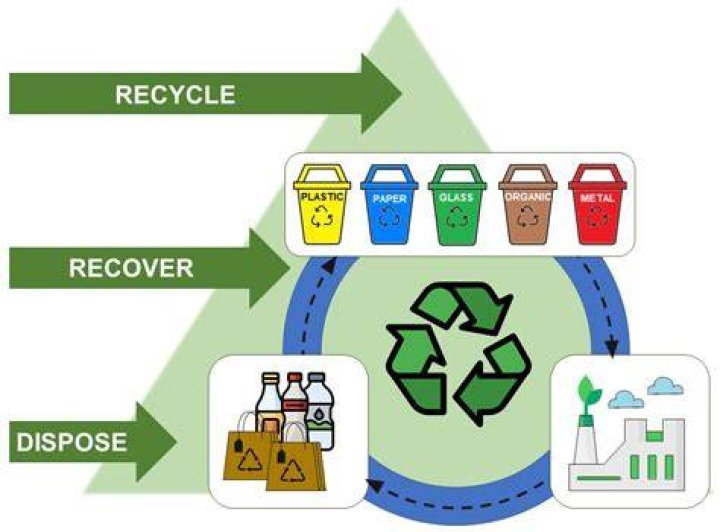
 Most experts agree that recycling is an important way to reduce waste and to recover valuable materials, while reducing greenhouse gas emissions and conserving significant amounts of energy and water. And yet, of the 2.3 billion tons of waste generated in the EU each year, only 37 percent gets recycled.
Why is recycling harmful?
Moreover, fossil fuels are used in the production of recycled paper while the energy source for creating virgin paper is often waste products from timber. … Furthermore, processing recycled paper produces a solid waste sludge which ends up in a landfill or incinerator, where its burning can emit harmful byproducts.
Does recycling plastic help the environment?
Recycling plastic instead of manufacturing it from scratch hence indirectly reduces emission of hazardous greenhouse gases. … Recycling plastic means reduced quantum of plastic waste. This in turn reduces pollution and saves a lot of animal species crucial to the food chain.
Why is recycling bad?
Material thrown into the recycling bin is another form of trash. As with any waste, it has to be transported and processed somewhere. This means creating additional locations of potentially hazardous waste. These heaps of trash are grounds for bacteria, disease, and a laundry list of other unsafe conditions.
What are some cons of recycling?
- More pollution and energy consumption. …
- Result in pollutants. …
- Increased processing cost and low-quality jobs. …
- Require stricter and more stringent implementation. …
- Good products are not guaranteed. …
- Generally ineffective.
How does recycling help global warming?
Recycling helps reduce greenhouse gas emissions by reducing energy consumption. … This avoids greenhouse gas emissions that would result from extracting or mining virgin materials. In addition, manufacturing products from recycled materials typically requires less energy than making products from virgin materials.
Does recycling cause air pollution?
Recycling can reduce both air and water pollution. … Manufacturing with recycled materials saves energy and water, and produces less air and water pollution than manufacturing with raw materials. Recycling reduces mining and drilling, which produce air and water pollution.
How does recycling affect the environment positives and negatives?
Whether burned in incinerators or left to rot in landfills, materials in our trash can leach chemicals into the air, ground or water. Recycling reduces the waste that goes to polluting landfills and incinerators, and reduces the need to devote land and resources to traditional waste disposal methods.
What is the problem with recycling plastic?
Unfortunately, plastic is much more difficult to recycle than materials like glass, aluminum or paper. Most plastic soon ends up in a landfill or incinerator. Despite promotion of plastic recycling, plastic production has outpaced recycling by five times over the past decade.
What are the disadvantages of not recycling?
- Landfills Fill Up Faster. When recyclable items are tossed into the garbage instead of the recycling, they eventually end up in landfills. …
- Greenhouse Gases Are Released. …
- Toxins Can Leach Into Soil and Groundwater. …
- New Resources Are Required.
Article first time published on
What are pros and cons?
The pros and cons of something are its advantages and disadvantages, which you consider carefully so that you can make a sensible decision. They sat for hours debating the pros and cons of setting up their own firm.
How does recycling protect the environment?
Recycling prevents the emissions of many greenhouse gases and water pollutants, and saves energy. Using recovered material generates less solid waste. Also, when products are made using recovered rather than virgin materials, less energy is used during manufacturing, and fewer pollutants are emitted. …
Is recycling plastic toxic?
Most is burned or landfilled because most plastics being recycled contain toxic chemical additives that contaminate the final recyclate and are difficult to use in the production of new plastic products, reducing its quality.
What are the harmful effects of plastic on the environment?
The major impact of plastic bags on the environment is that it takes many years to for them to decompose. In addition, toxic substances are released into the soil when plastic bags perish under sunlight and, if plastic bags are burned, they release a toxic substance into the air causing ambient air pollution.
How much does recycling reduce greenhouse gases?
Project Drawdown estimates that recycling between 2020 and 2050 will reduce emissions by 5.5-6.02 gigatons of carbon dioxide (equivalent to taking over 1 billion cars off the streets for one year).
How does recycling plastic reduce carbon emissions?
Comparison of Carbon Emissions of Plastic Manufacture or Recycling. … Because recycling plastic produces comparably fewer greenhouse gas emissions than would otherwise be produced with the equivalent amount of virgin plastic production, these “offsets” are factored into the carbon calculations.
Why is plastic such a big problem?
But the problem with plastic is that most of it isn’t biodegradable. It doesn’t rot, like paper or food, so instead it can hang around in the environment for hundreds of years. … More than eight million tonnes of plastic enters the world’s oceans each year and most of that escapes from land.
How much plastic is polluting the environment?
Researchers estimate that more than 8.3 billion tonnes of plastic has been produced since the early 1950s. About 60% of that plastic has ended up in either a landfill or the natural environment.
How much recycling is actually recycled?
As much as 80% of the things we throw away could be recycled. Even cars can be recycled, with up to 80% of the vehicle being reused. More than 15% of the money we spend on products pays for packaging – most of which ends up in the dustbin.
What are the pros and cons of recycling plastic?
Plastic Recycling ProsPlastic Recycling ConsMore efficient resource usePlastic recycling needs some energy inputPlastic recycling can protect our oceansMay do more harm than goodImportant to solve the microplastics issueEmploys mostly unskilled workers
Are cons negative?
The phrase ‘pros and cons’ is an abbreviation of the Latin phrase pro et contra, ‘for and against’, where “pros” are for the plus points and “cons” are the negative ones. It has been in use in the abbreviated form since the 16th century, according to the Oxford English Dictionary.
Is cons a disadvantage or advantage?
“Pros” are advantages, reasons for positive action, and “cons” are disadvantages, so reasons against taking action.
What is the full meaning of cons?
1. An argument or opinion against something. 2. One who holds an opposing opinion or view. [Short for contra.]
Why recycling is good for the earth?
Recycling saves energy and water, lowers pollution and greenhouse gas emissions, improves air and water quality, preserves landfill space and conserves natural resources. … Recycling is cleaner and more energy-efficient than mining, refining, and processing new items from raw resources.