Is linalool a natural
 Daniel Davis
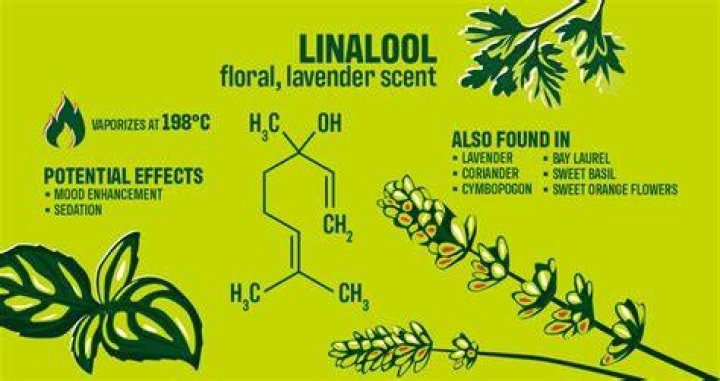
 Linalool is a compound that is naturally occurring, found in the essential oils of many flowers and spice plants.
Where is linalool found naturally?
Linalool can be obtained naturally by fractional distillation and subsequent rectification from oils of the following: Cajenne rosewood, Brazil rosewood, Mexican linaloe, Shiu, and coriander seeds (NLM, 1997b). It can also be produced synthetically by one of several methods.
Is limonene natural or synthetic?
Limonene (Mo4), a menthane-type monoterpenoid, occurs naturally in many plant oils, including extracts from orange peel and other citrus fruits, and in mint and in dill, caraway, and celery seed oils.
What is linalool derived from?
Linalool is a noncyclic monoterpenoid that is commonly extracted from lavender (Lavandula spp.), rose (Rosa spp.), basil (Ocimum basilicum), and neroli oil (Citrus aurantium).
Is linalool an organic compound?
Structure for FDB014940 (Linalool) Belongs to the class of organic compounds known as acyclic monoterpenoids. These are monoterpenes that do not contain a cycle.
Is linalool an essential oil?
Linalool is a naturally-occurring component found in a variety of essential oils, like Clary Sage. For essential oils that contain a significant amount of linalool (above a 40% concentration), choose one of the following: Neroli, Spike Lavender, Bergamot Mint, Rosalina, Thyme, Coriander and Basil.
How is linalool extracted?
Linalool is crucial chemical raw material which is widely used in food flavoring, perfumery cosmetic and pharmaceutical industry. The natural linalool from coriander seeds volatile oil was extracted by steam distillation method and analyzed by Gas Chromatography-Mass Spectrometry (GC-MS).
Is linalool soluble in water?
Linalool is a colorless liquid, relatively soluble in water (1590 mg L−1 at 25 ◦C) and highly soluble in different organic solvents. This tertiary terpene alcohol has a chiral center at C3 carbon, thus appearing two enantiomeric forms in nature: (+)-Linalool and (−)-linalool [18].
Why is linalool bad?
Linalool is surrounded by some controversy over its use in skincare and cosmetic formulations. It is considered to be a highly sensitizing ingredient that may disrupt the skin’s natural barrier. As such it is generally recommended that sensitive or irritated skin types avoid this ingredient.
Is linalool a limonene?
Limonene (d‐limonene) is the main ingredient of pressed oil from the peel of citrus fruits, and linalool is present in many herbs, flowers, woods, etc. 1, 2 Both are common ingredients in household products and cosmetics, such as hygiene products, perfumes, and detergents, as well as industrial products.
Article first time published on
What is the systematic name for linalool?
NamesOther names 3,7-Dimethyl-1,6-octadien-3-ol, β-linalool, linalyl alcohol, linaloyl oxide, allo-ocimenolIdentifiersCompounds (±)-linalool (R): (−)-linalool (S): (+)-linaloolCAS Number78-70-6 (R): 126-91-0 (S): 126-90-9
Does linalool contain lavender?
Linalool gives Lavender its floral scent. Like menthol, linalool is a monoterpene alcohol. … While Lavender essential oil has one of the highest amounts of linalool, you can also find linalool in Coriander, Cilantro, Basil, and Petitgrain essential oils.
Is D limonene natural?
It is a major constituent of the oils of citrus fruit peel and is found at lower levels in many fruits and vegetables. It occurs naturally in the d (or R)- and l (or S) optically active forms and as dl mixtures including the optically inactive racemate (dipentene).
Can linalool be synthesized artificially?
Linalool, as a major volatile compound, is widely distributed in natural plant essential oil. In addition, it can also be artificially synthesized. Linalool is used frequently as an important ingredient of perfumes and household detergents. It is still employed in food flavor and industries.
Is linalool a phenol?
Linalool is an acyclic monoterpene tertiary alcohol containing a hydroxyl group and rosmarinic acid is a phenolic compound that is an ester of caffeic and 3,4-dihydroxyphenyl lactic acids. … The antidepressant and anxiolytic properties of linalool have been demonstrated using animal models as reviewed by Pereira et al.
Is linalool the same as lanolin?
The key difference between lanolin and linalool is that lanolin is produced by animal species, whereas linalool is produced by plant species. Lanolin is a type of wax that is secreted by wool-bearing animals, while linalool is a type of organic compound that can be found in many flower and spice plants.
Can you be allergic to linalool?
Background: The oxidized forms of the fragrance terpenes limonene and linalool are known to cause allergic contact dermatitis. Significant rates of contact allergy to these fragrances have been reported in European studies and in a recent worldwide study.
Is linalool safe during pregnancy?
Essential oils used They are high in linalool and linalyl acetate. These essential oils are safe to use in pregnancy.
Is linalool present in coriander?
Thirty-four compounds were identified in coriander essential oil, linalool (70·11%) being predominant.
Can you ingest linalool?
Linalool has a floral aroma similar to lavender with a touch of spiciness that lends to its many commercial applications in creams and oils. One of the most common ways to ingest linalool is through inhalation of lavender oils containing the aromatic compound. … Plus, studies suggest Linalool has many health benefits.
What does linalool look like?
COLOURLESS LIQUID WITH CHARACTERISTIC ODOUR.
How do you say linalool?
Also lin·a·lol [lin-uh-lawl, -lol].
Is linalool banned in EU?
In Europe, it is only allowed in minuscule amounts in rinse-off products, but in the U.S., there is no such restriction. Another top culprit is linalool.
Is linalool safe for plants?
Linalool is a compound that is naturally occurring, found in the essential oils of many flowers and spice plants. It has a safe history of use and has been deemed by both the U.S. Food and Drug Administration (FDA) and the Joint FAO/WHO Expert Committee on Food Additives (JECFA) as safe for use in food and beverages.
Is linalool a skin irritant?
Linalool produces lavender’s fragrance and reacts with air to form the skin irritant.
Is linalool a fragrance?
What is linalool found in? Linalool Hydroperoxide, a common fragrance ingredient, is literally everywhere. It’s found both in plants and in personal care products. It’s a chemical constituent found in more than 200 natural botanical oils, including lavender, ylang-ylang, bergamot, jasmine and geranium.
Is linalool an alcohol?
Wikipedia says linalool, “is a naturally occurring terpene alcohol chemical found in many flowers and spice plants with many commercial applications, the majority of which are based on its pleasant scent (floral, with a touch of spiciness).”
Is linalool safe for dogs?
Lavender contains a small amount of a compound called linalool, which is toxic to both dogs and cats. Linalool is found in such small concentrations, however, that toxicity is rarely an issue. Problems arise only if a dog ingests a very large quantity of lavender.
What is linalool good for?
Linalool is a powerful terpene due to its effect on the serotonin receptor. It helps treats conditions such as anxiety and depression and can help to combat insomnia. Its medicinal properties could also help treat several types of cancer.
Is linalool soluble in alcohol?
Melting point25°CFEMA2635 | LINALOOLFp174 °Fstorage temp.2-8°Csolubilityethanol: soluble1ml/4ml, clear, colorless (60% ethanol)
Does Tea Tree have linalool?
Tea tree oil has skin-soothing properties and is also an antioxidant. However, as with most fragrant plant oils, tea tree oil contains volatile components (such as linalool, limonene, and eucalyptol) that can be sensitizing, particularly if you apply 100% pure tea tree oil.