Can you recoat epoxy
 Michael Green
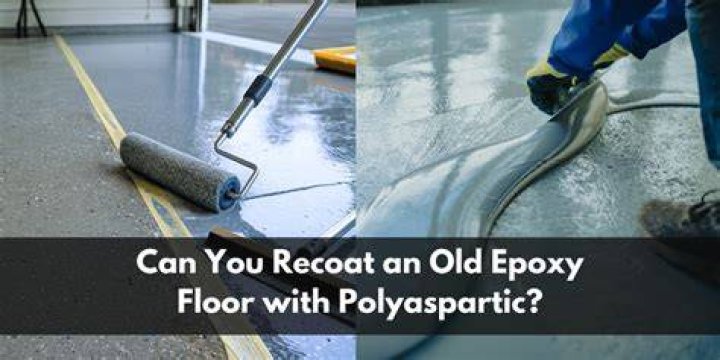
 You can recoat an epoxy finish that has lost its sheen or otherwise been damaged, but you have to properly prepare it or the new epoxy won’t adhere. This preparation must include careful cleaning with a grease-cutting detergent to remove the thin, oily layer that has probably built up, but may be invisible.
Can you do multiple layers of epoxy?
Can I Apply Multiple Coats Of Epoxy Resin? Yes, you can apply a second coat of resin if you need to fix a mistake or a surface imperfection. You can also pour multiple layers if you need to cover areas of high relief, if you’re pouring into a mold or if you simply like the look of a thicker coat.
How do you recoat epoxy resin?
All you need to do is wash the surface thoroughly with clean water and an abrasive pad and then dry it with fresh paper towels to rub off the amine blush before it dries on the surface again. Then, sand any glossy areas of the surface with 80-grit sandpaper to ‘key it in’ and clean away the dust.
Can you sand epoxy and recoat?
A lot of first-time users ask, “Can you sand epoxy?” The answer is, YES! This is the primary way to prepare your epoxy for a second coat.
How do you make resin shiny after sanding?
Use a buffing wheel (or any polishing tool) to polish a larger piece of resin. It is best to attach the buffing wheel to a power drill so that the process is easier. Apply it as evenly as possible until the resin is shiny and smooth. Rub the surface with a microfiber cloth to get a glossy finish.
How do you get epoxy clear after sanding?
physics. You sand something and add water that act/behave like a varnish thus eliminating all sanding mark… Just clear coat it with any glossy varnish and it will be transparent as wet. sanding leaves tiny little scratches that refract and diffuse light.
How long do you have to wait to sand epoxy?
Tip: The epoxy resin must be really dry before sanding. You should therefore allow a waiting period of at least 48 hours before processing. Follow the manufacturer’s instructions, as there are resins that take even longer to harden completely.
How do you smooth out epoxy?
Sanding epoxy resin wet or dry? Wet sanding with waterproof sandpaper is often the best approach to sanding cured epoxy resin. Wet sanding removes unevenness while you are sanding, reduces clogging of the abrasive paper and drastically reduces the amount of dust emitted into the air.
How long do you wait between resin layers?
Allow your resin to set up 3-6 hours between layers, depending on the weight of what you’re adding to the next layer. Example: if adding heavy metal charms to the layer, let previous layer set up for about 6 hours so the charm doesn’t push down into the layer below.
How do you get bubbles out of cured epoxy?
- Sand down the entire surface of your piece, paying particular attention to sanding out the bubbles. …
- Use a damp paper towel to wipe off all the dust. …
- Mix a fresh batch of carefully measured and thoroughly mixed ArtResin as directed, and re-apply a fresh coat of resin over your sanded and wiped piece.
Article first time published on
Will epoxy stick to cured epoxy?
Epoxy applied over partially cured epoxy will chemically link with it and is a primary bond. The ability to chemically link diminishes as the epoxy cures and it becomes a secondary bond. Secondary bonding relies on the mechanical linking of an adhesive to a material or cured epoxy surface.
When can I apply second coat of epoxy?
With most coating epoxies, if you are trying to build up to your desired thickness, it is recommended to pour your second coat once the first coat is tacky to the touch (usually 4-6 hours).
Can you pour epoxy over uncured epoxy?
Unfortunately, you cannot just add another layer on top, you will have to scrape the runny resin off. Make sure to get most of it off because if you leave any behind, this may leak into the new layer of resin. Once you are sure most of the gooey resin is gone, you can then pour a new layer of resin on to your surface.
Can I use toothpaste to polish resin?
Using the sponge pad of your polish machine, polish the epoxy with the toothpaste. Make sure that you don’t apply too much pressure or the epoxy might burn. Let the pad gently touch the epoxy while spinning. When you run out of toothpaste, apply it again and spray it with some water!
Why is my epoxy cloudy?
Cloudy or dull epoxy is typically caused by excessive moisture. Specifically, moisture from excessive humidity in the area where the epoxy was applied or excessive moisture in/on the concrete application surface. … Be sure to eliminate all water before applying epoxy. Never apply epoxy when relative humidity is over 75%
Why is my epoxy not smooth?
The most common cause for uneven epoxy resin is often not using the correct mixing ratio, or even using hardener and resin that is too old. … These problems can be prevented by ensuring your work area is well ventilated, not too humid, and using a torch to heat the epoxy and allow the air bubbles to escape.
What causes fisheyes in epoxy?
Substrate contamination is the most common problem that causes fish eyes and pin holes in epoxy seal coats. Dust, dirt, wax, silicones, even the oil from your fingers when touching the part prior to sealing with epoxy will deter epoxy resins from laying flat and curing with a perfectly smooth surface.
How do you fix epoxy craters?
Lightly sand the existing epoxy with 120-150 grit. Care should be taken not to cut through the stain. Apply another seal coat of epoxy using an 1/8″ nap foam roller, working to fill in the craters. Allow the epoxy to cure hard, sand entire application flat, and re-coat to finish.
Why does my resin have so many bubbles?
Porous, organic materials like wood, leaves, fabric and even paper can “breathe” air. When you cover these materials with resin, the air bubbles release into the resin in the form of bubbles, sometimes hours after you have poured and torched.
How long does deep pour epoxy take to cure?
If the mixed epoxy starts to heat up in your mixing bucket, apply immediately. Cure Time: MAS Deep Pour in a 0.5”-1” thick casting at 77°F should be tack free in roughly 4-8 hrs, sandable after 12-24 hrs, and fully cured in 5-7 days. Keep in mind that epoxy is mass and temperature sensitive.
What is the difference between deep pour epoxy and table top epoxy?
You want to avoid using a coating epoxy (i.e. table top epoxy) for deep pours, such as river tables or encapsulating objects, because it will take many applications to build up the thickness you will need, which will take a lot of time. Deep Pour Resins are slower to cure, therefore, allowing for a thicker “deep” pour.
Can you use deep pour epoxy to fill cracks?
Epoxy is great for filling cracks and knot holes in wood because it’s strong and waterproof. … To fill larger holes and gaps, check the manufacturer’s directions regarding how deep you can fill in one application, because not all epoxies can be used to fill larger voids.
Will epoxy bond to itself?
Epoxy glues cure by themselves without any other material being needed. The versatility of epoxies is also an advantage in considering them for adhesive applications.
Does epoxy need to be clamped?
Epoxy adhesives, being gap-filling glues, need only enough clamping to close the joint. Unlike other glues, epoxy requires low pressure and a proper film thickness of resin to make a proper glue joint.