Can you eat rye grass
 Sarah Marsh
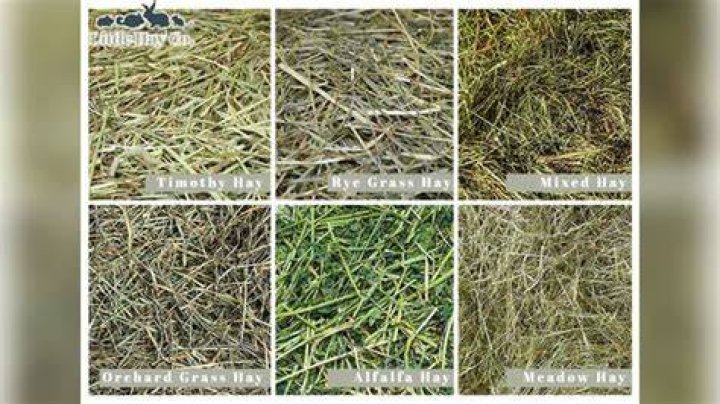
 Rye can produce high forage yields but is more coarsely stemmed and less palatable than some other forages. Like wheat, rye varieties can be either winter ryes or spring ryes. … Ryegrasses are very palatable, high quality forage grasses. There are several types of ryegrass with varietal differences within each type.
Can humans eat ryegrass?
In short, humans are incapable of digesting grasses, i.e., plants from the biological family Poaceae. … Grasses that fall under the family Poaceae include rye grass and Kentucky Bluegrass that grace modern lawns–as well as wheat, rye, barley, corn, oats, rice and other “grains.”
What grass can humans eat?
Edible grasses include Bent, Wheat, Slough, Brome, Crab, Switch, Canary, Timothy, Blue, and Bristle grasses. You can make grasses into a juice by grinding them up, but don’t swallow the fiber. Chewing immature seed heads can be beneficial as well.
Is rye grass toxic?
Ryegrass is not a toxic plant, it becomes toxic when the bacterium Rathayibacter toxicus enters the seed heads. The bacteria produces the poisonous chemical called corynetoxin.
What can you do with rye grass?
Perennial Ryegrass Basics Perennial ryegrasses are used throughout the United States as turf grasses and high-quality pasture grasses for livestock. Despite its agricultural uses, perennial ryegrass isn’t related to the rye plant that produces cereal grain.
Can we eat cooked grass?
You cannot cook grass to make it more edible. Cooking does not break down the cellulose enough to render it edible. … We cook it so we can tolerate eating them.
Are any grasses poisonous to humans?
In principle, people can eat grass; it is non-toxic and edible. As a practical food source, however, your lawn leaves a lot to be desired.
Can sheep eat rye grass?
The quality of feed offered is usually most directly related to the age or stage of growth at the time of grazing. Sheep do very well grazing annual cool-season forages like oats, annual ryegrass, winter wheat, or triticale.
Is it OK for horses to eat rye grass?
Ryegrass provides high quality forage from late November through late May. It is self fed, convenient, and provides excellent nutrition and exercise for horses that do not have to be kept in a stall. However, it can be expensive to fertilize if it is not managed for maximum grazing.
Can you feed rye grass to cows?
Annual ryegrass and perennial ryegrass produce highly digestible and palatable forage. The forage of both of these grasses can support high dry matter intake levels and are suitable for animals with high nutritional requirements, including lactating dairy cattle.
Article first time published on
Which grass is best for human body?
Barley grass is rich in amino acids, which are important building blocks for proteins in the body. The nine essential amino acids barley grass provides helps the body repair muscles, blood vessels, and even bone marrow. Barley grass is also a good source of: Vitamin C.
Does your appendix allow you to eat grass?
In animals that eat a lot of tough plant matter, the appendix equivalent is very long and spacious, and functions as a fermentation chamber where bacteria can break down plant food. That doesn’t happen in humans. We don’t eat mature grasses or eucalyptus leaves, and we don’t ferment them in our appendices.
Does rye grass reseed itself?
Annual ryegrass has a biennial tendency in cool regions. If it overwinters, it will regrow quickly and produce seed in late spring. Although few plants survive more than a year, this reseeding characteristic can create a weed problem in some areas, such as the mid-Atlantic or other areas with mild winters.
Can you eat winter rye?
Ryegrass is used for lawns, pasture, and hay for livestock, while winter rye is used as a cover crop, forage crop, or as a grain that is used to make flour, beer, some whiskey and vodkas, or can be eaten whole as boiled rye berries or rolled like rolled oats.
What is the difference between ryegrass and fescue?
Tall fescue (Festuca arundinacea), like ryegrass, has a coarse texture, but its color is typically darker than that of ryegrass. … Tall fescue is a sturdy grass, with a high tolerance for drought, heat and wear. It doesn’t handle cold as well, however, and in very cold climates, it may be prone to thinning.
What would happen if you ate grass?
Because humans are unable to digest grass, they can get almost no nutrition from it. So eating it is pointless. Also, it is likely to cause an upset stomach, which could lead to diarrhoea and vomiting, causing dehydration.
Did humans ever eat grass?
Our ancestors began eating grass half a million years earlier than thought, soon after they started leaving the trees. Early hominins, living 3 to 3.5 million years ago, got over half their nutrition from grasses, unlike their predecessors, who preferred fruit and insects.
Why can we eat spinach but not grass?
The cellulose goes straight through our digestive tract and out. The difference is that there is very little that our bodies can extract from grass, and there is relatively more you can extract from spinach. You can eat all the grass you want, and you won’t get anything from it.
How come we can eat some veggies but we Cannot eat grass?
We don’t have multi-chambered stomachs which are necessary to digest cellulose plant matter like grass. Our digestive system lacks the correct enzymes to properly break down grass. Healthwise, cellulose e.g. grasses pass through the human intestinal tract undigested.
Can a human survive eating only fruit?
The body cannot absorb the nutrients that it needs from fruit alone. Anyone following a fruit diet may be missing out on vital nutrients, including: iron.
Is rye grass high in sugar?
High sugar perennial ryegrass is an improved forage grass. Its high levels of sugar and superb high digestibility make it a premium forage grass.
What hay should horses not eat?
Oat hay has thick tougher stalks that some horses will not eat. Oat hay tends to be higher in nitrates and also high in sugar (NSC), so this hay is not an option for insulin resistant horses. Here’s a comparison chart so you can see the differences between alfalfa hay, timothy (grass) hay and oat hay.
What animals eat ryegrass?
This neurotoxic condition of grazing livestock of all ages occurs only in late spring, summer, and fall and only in pastures in which perennial ryegrass (Lolium perenne) or hybrid ryegrass are the major components. Sheep, cattle, horses, farmed deer, and llamas are susceptible.
Is rye grass toxic to dogs?
Perennial Ryegrass (Lolium perenne) Perennial Ryegrass is hardy and tolerant of dog urine, making it a great choice if you have a large dog or own multiple dogs. Though it is not as cold-hardy as Kentucky Bluegrass, it does very well in cooler climates and stays a beautiful green color in mild winters.
Is rye grass good for pasture?
Rye is the most winter hardy of all small grains. It can be sown in late August to provide fall grazing, excellent winter cover, and spring grazing. Rye’s rapid growth makes it the most productive small grain for pasture and it can be grazed as quickly as 4 to 6 weeks after planting.
Is rye grass poisonous to goats?
Unfortunately, these fungi also produce toxins that can affect livestock health. Signs of fescue toxicosis in ruminants such as goats result from the vasoconstrictive properties of the main toxic agent, ergovaline. … “Rye-grass staggers” is another form of endophyte toxicity.
Why do farmers plant ryegrass?
There are many benefits to planting ryegrass cover crops. Planting annual ryegrass provides erosion control, increases percolation, reduces compaction and acts as a nurse crop for fall legumes. The question, what should annual ryegrass be used for, goes beyond soil improvement.
Is rye grass good for calves?
Annual ryegrass can provide gains of over two pounds per day when grazing lightweight calves (400-600 lbs). The grazing period can extend from November (South MS) to May. This can be achieved with very low feed cost per pound of gain.
What is the nutritional value of ryegrass?
What is the nutritional value of ryegrass haylage? Ryegrass haylage is on average 60 to 65% TDN and 12 to 16% CP. This high value forage can be used to meet the nutrient requirements in most cow-calf operations, and can minimize the need for additional supplemental feed.
Is grass seed poisonous to humans?
No! coated grass seeds are not toxic to humans. But certainly after eating they will suffer for poor digestion symptoms like vomiting, gastrointestinal pain, lose faeces etc.
How can you tell if a plant is edible or poisonous?
- NEVER eat unknown mushrooms. …
- Avoid plants with shiny leaves.
- Never eat plants with thorns.
- Avoid plants with yellow or white berries.
- Avoid plants which a white or yellowish sap.
- Avoid plants which have seeds in a pod.