Are squat pulses good
 Mia Smith
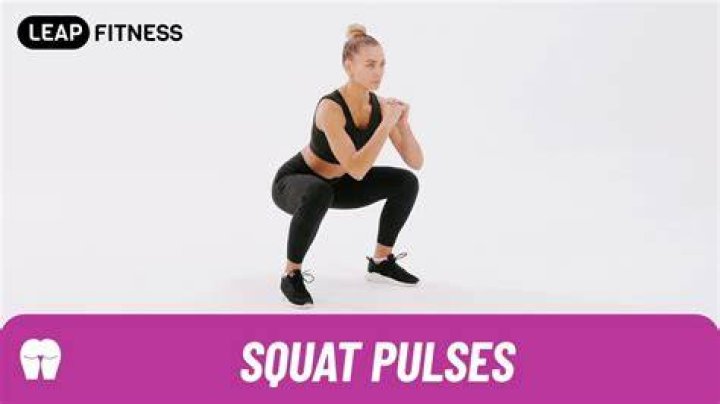
 The squat pulse is an effective exercise for activating muscle groups throughout your lower body. … Core: Keep your core engaged to stabilize yourself during your squat pulse exercises. Lower back: With proper form, squat pulses can build strength within your lower back muscles.
Are squat pulses better?
This highlights how full-range squats are great for working the glute max, rectus femoris and the hamstrings. What we see with squat pulses is a more isolated activation of the quadriceps muscles closer to the knee. The activation of these muscles is key for stabilization.
Does pulsing build muscle?
Translation: Pulsing isolates the active muscles and fatigues them more quickly, which helps build their endurance. Plus, you’ll get stronger. “Staying in a pulse brings more blood to them, which can increase growth,” says Robbins.
What are pulsing squats good for?
So not only will pulse squats strengthen your muscles, they will improve coordination, agility, and balance. These are things that not only help in fitness and sports but in your everyday life. Pulse squats will also strengthen your abs because of the engagement required while performing them.
Are pulse squats more effective than regular squats?
WHAT MAKES PULSING MORE EFFECTIVE? The benefit from pulsing is that you are constantly stimulating + engaging the muscles. … You can do more reps with smaller movements (like squat pulses), which fatigue your muscles in a different way than doing full-range.
Can squats make your butt bigger?
Squatting has the ability to make your butt bigger or smaller, depending on how you’re squatting. More often than not, squatting will really just shape up your glutes, making them firmer instead of bigger or smaller. … If your glutes are building muscle, however, then your butt will appear larger.
Do squat pulses do anything?
The squat pulse is an effective exercise for activating muscle groups throughout your lower body. Legs: The squat pulse activates your glutes and hamstrings, while specifically targeting the quadriceps on the front of your upper legs. Core: Keep your core engaged to stabilize yourself during your squat pulse exercises.
Do squats make your thighs bigger or smaller?
Although lunges and squats tone and define your thigh muscles, they won’t make them smaller. In fact, you might notice your thighs getting bigger from exercise.
What squats are best for your bum?
- Sit-to-stand squat. To get comfortable with squatting and establish good form, you may want to start by perfecting the sit-to-stand squat, also known as a bench or box squat. …
- Resistance band squat. …
- Sumo squat. …
- Goblet squat.
What happens if you do squats everyday?
Squats use every leg muscle and will primarily tone your lower body. They will help in improving the strength of your calves, hamstrings and quadriceps along with other muscles to improve your balance. It is also the best exercise to tone your legs.
Article first time published on
What happens if I only do squats?
If you only do squats to work out your legs, eventually, you will get bored of them, leaving you feeling less motivated the next time you want to exercise your legs. Your body will adapt to the exercise, and you will plateau.
How can I slim my waist?
Eating a healthy, varied diet that is high in fruits and vegetables — including soluble fiber, vitamin D, and probiotics — is the best plan for losing weight from your waistline. Avoiding refined carbohydrates, sugar, and processed foods whenever possible will help you cut calories and get rid of fat more quickly.
What exercises give you a bigger bum?
- Glute bridge.
- Jumping squats.
- Walking lunge.
- Single-leg deadlift.
- Clamshell.
- Banded side step.
- Donkey kicks.
- Weight training.
How often should you do squats for a bigger bum?
You shouldn’t be doing squats every day. In fact, Rodriguez says that recovery days are just as important as working your glutes when it comes to building a bigger booty. “I generally recommend doing squats two to three times a week with 36 to 48 hours of rest for that muscle group,” she says.
How long should I do squats to see results?
Without weights, the more squats, the better. If you complete three sets of 12 reps three times a week alongside cardio, you should start to see results after two to three weeks.
Do squats reduce belly fat?
With that said, squats are such a good exercise for burning body fat and building lean muscle that if you’re doing them regularly, you’re highly likely to start dropping body fat all over, including the belly and thighs.
Do squats make legs skinnier?
Squats are one of the best exercises you can do to strengthen your lower body. Doing squats, however, won’t guarantee weight loss and slimmer legs. You’ll need to train other parts of your body, commit to regular cardiovascular activity and refine your eating plan to make your legs slimmer and lose fat.
Do lunges slim thighs?
Just like squats, lunges are also a compound exercise that can be done anywhere. If you do them right, lunges can be very effective in reducing thigh fat.
How do I get a nice bum?
- Squats. Stand with feet parallel and shoulder-width apart. …
- Standing lunges. …
- Prone leg lifts over a ball. …
- Prone hip lift over a ball. …
- Bridge. …
- Side leg raises.
What is a plank twist?
Step 1: Start out in a plank position with your elbows on the mat, on your toes with your stomach off the mat. Keep your back straight. … Step 3: Then twist so your right hip slightly touches the mat and return to the plank position. This completes one rep.
Why do squats raise my heart rate?
Improving lean muscle mass in the above muscles will increase your metabolic rate and speed your metabolism. Doing squats elevates the heart rate and allows you to burn more calories than most resistance exercises.
What is toe touches?
Stand on your right leg with your left leg slightly behind you, raised off the floor. 2. Place your arms straight out to your sides at shoulder height. 3. Bend your right leg at the knee and squat down to touch your left hand to the toe of your right foot, then come back up.
What are spider planks?
Keeping your hips as level as possible, bend your right leg to bring your right knee as close as possible toward your right elbow. Pause, and then step back to the plank position. Repeat on your left side, bringing your left knee up to your left elbow. Continue alternating sides until all reps are complete.
Will squat reduce belly fat?
Squats. Yes, this leg day staple is a great way to work your entire body, hammering leg strength and building a solid midsection. It’ll also burn more calories than you think, and ramp up your metabolism way more than, say, curls.
Is 100 squats a day good?
Doing 100 squats a day for 30 days will effectively help you build your lower body and leg muscles. It is essential to do the exercise correctly. When done incorrectly, they can lead to injury and strain.
Is it OK to squat everyday?
Ultimately, squatting every day isn’t necessarily a bad thing, and the risk of overuse injuries is low. However, you want to make sure you’re working other muscle groups, too. Focusing solely on your lower body can set you up for muscle imbalances — and nobody wants that.
Which muscle is strengthened by squats?
They strengthen your lower body, targeting your glutes and quadriceps. They also make you use your core muscles. Other muscles that benefit from squats are: Hip muscles.
What happens when you stop doing squats?
Stopping the squat at the bottom significantly reduces the amount of stress placed on the lower back, but causes the legs to have to work much harder to push back to the starting position. This is because a pause gives the legs greater time under tension, and increases muscular recruitment.
How often should you do squats?
Most lifters squat 2-3 times per week. By doing this, you’ll have more opportunities to improve your squat technique, as well as plan different training adaptations for each workout (strength, hypertrophy, power). If you squat more than three times per week, you need to be an advanced powerlifter or weightlifter.